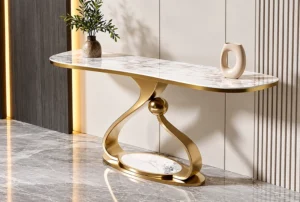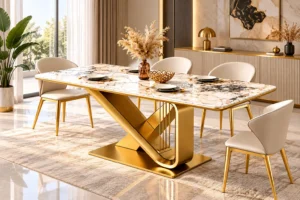
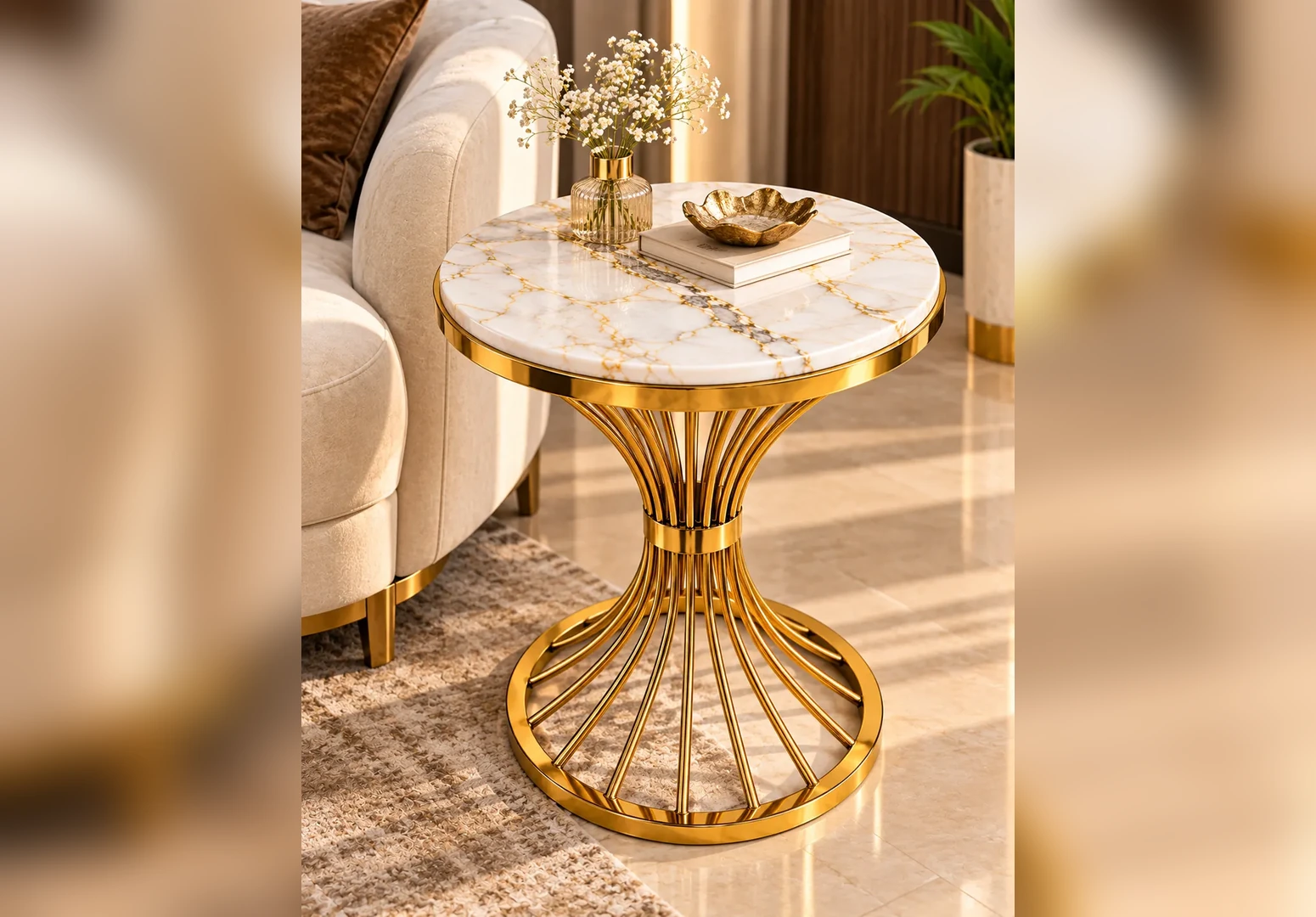
A side table for living room spaces can add both functionality and style to your seating area. Positioned beside a sofa or accent chair, it provides a convenient surface for lamps, books, decorative accessories, and everyday essentials. The right side table can also complement your centre table and help create a more balanced furniture arrangement.
Modern side tables are available in different shapes, materials, sizes, and finishes. From glass and marble-style tops to stainless steel and decorative metal bases, each design can create a different look. In this guide, we’ll explore side table designs, materials, sizing, placement, and practical tips to help you choose the right option for your living room.
What Is a Side Table and Why Is It Useful?
A side table is a compact furniture piece usually placed beside a sofa, lounge chair, or accent chair. It provides an accessible surface for items such as a table lamp, books, beverages, or decorative accessories. Because of its smaller size, it can add useful surface space without taking up as much room as a centre table.
A well-chosen side table can also improve the overall furniture arrangement. Its height, shape, material, and finish can coordinate with the sofa, centre table, and surrounding décor. Therefore, the right design should combine everyday functionality with proportions and styling that suit your living room.
Popular Types of Side Tables for Modern Living Rooms
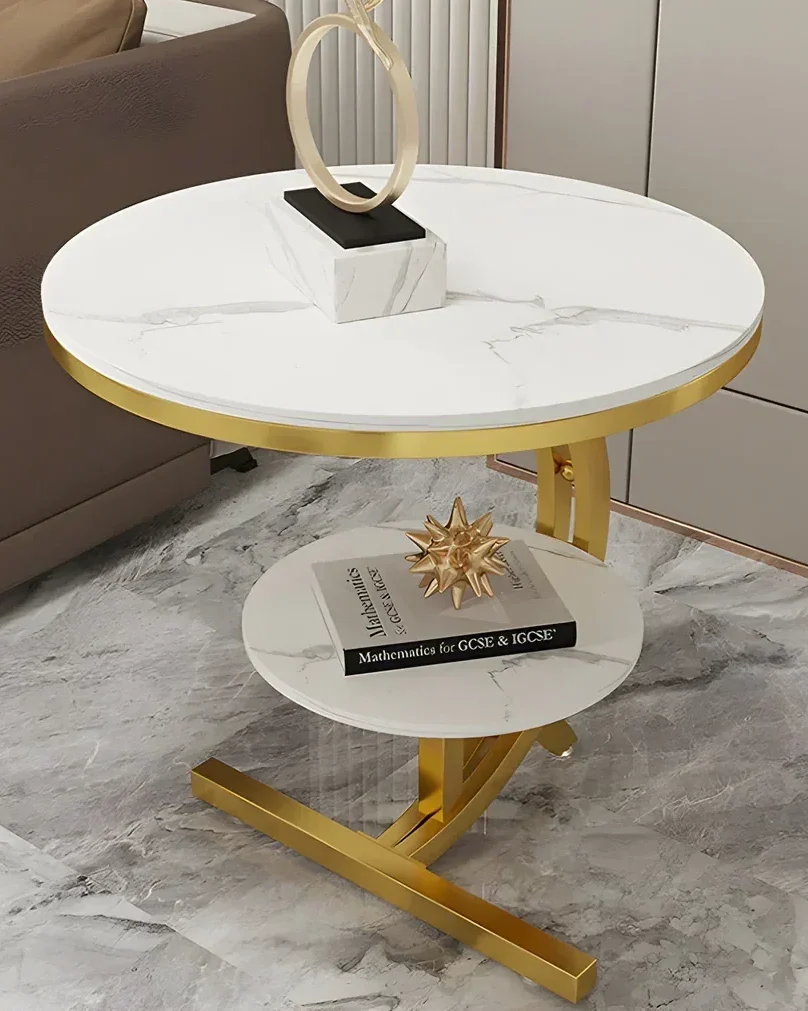
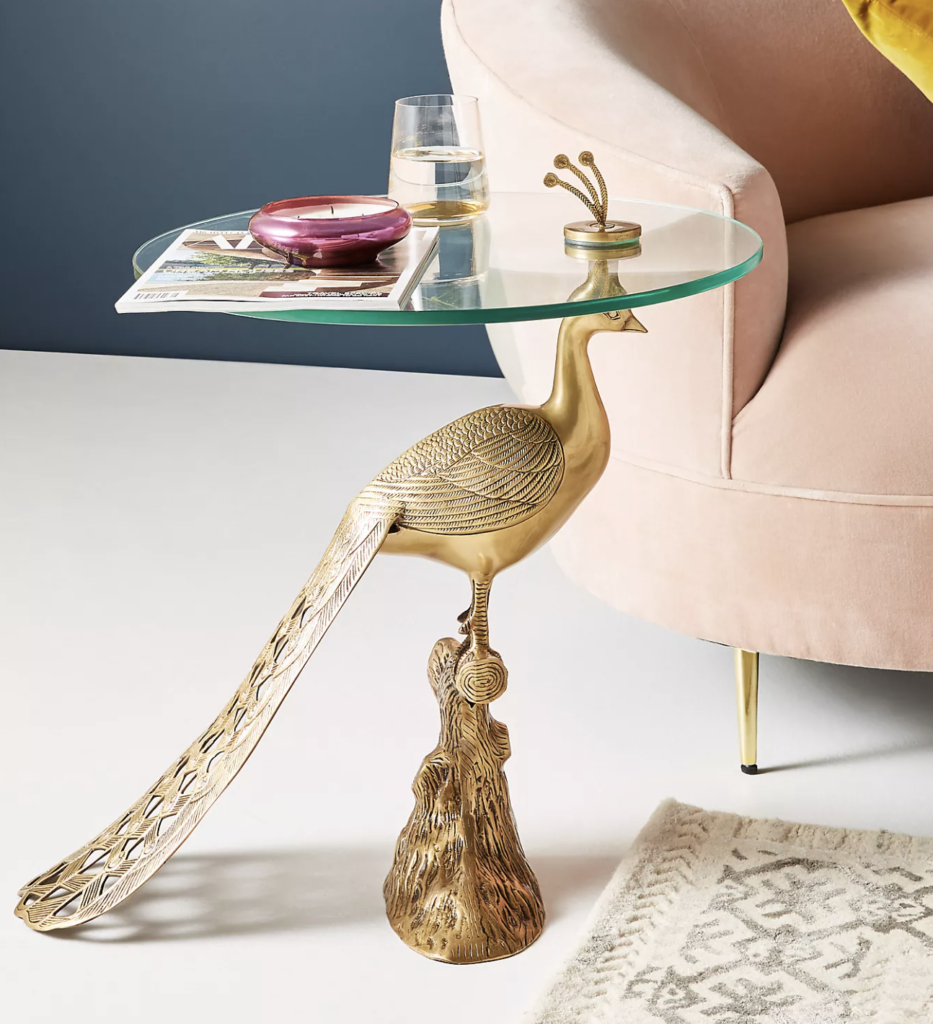
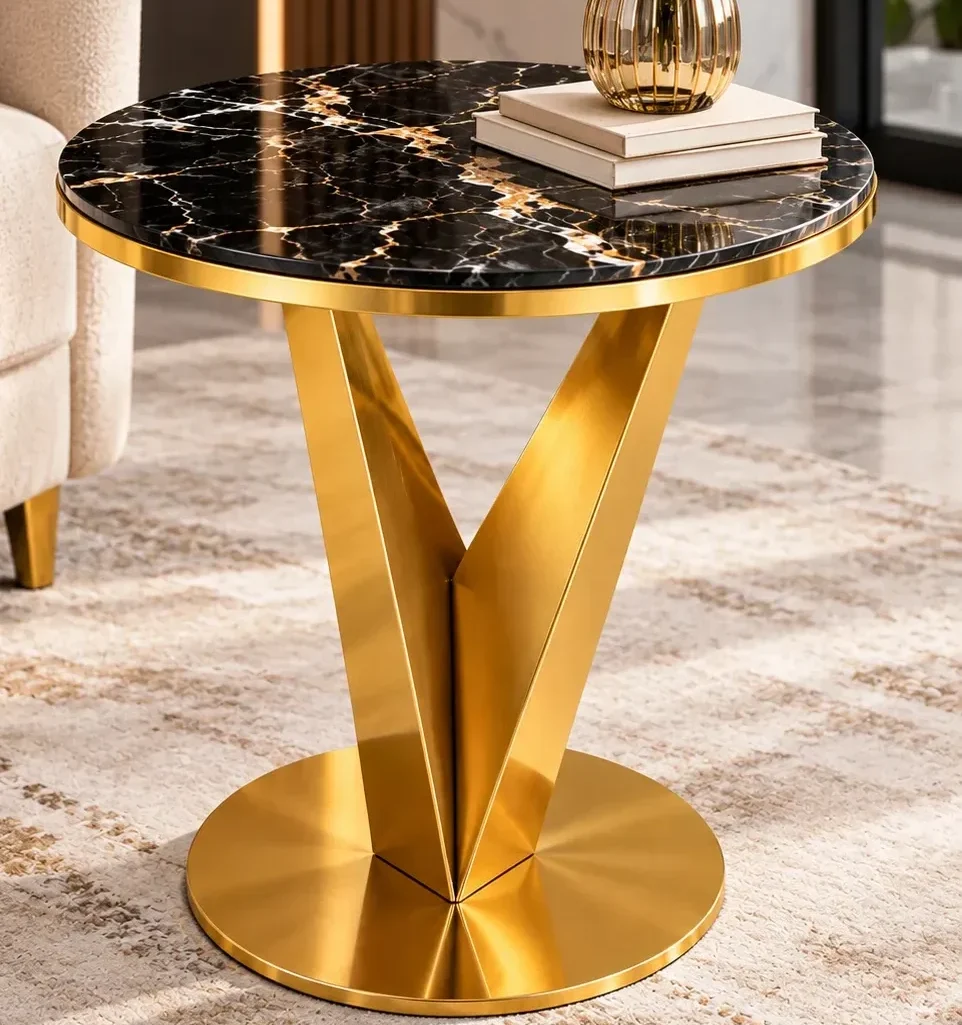
Side tables are available in different materials, shapes, and styles. The right design depends on your sofa arrangement, available space, and overall interior theme. Here are some popular options for modern and luxury living rooms.
Marble Side Tables
Marble side tables can add an elegant and refined look to a living room. Natural marble or marble-style tops can be paired with stainless steel, metallic, or decorative bases to complement modern and luxury interiors.
When choosing a marble side table, consider its proportions, tabletop finish, base design, and placement beside the sofa or chair. The table should provide useful surface space while remaining visually balanced with the surrounding furniture.
Glass Side Tables
Glass side tables can create a clean and visually light appearance in modern living rooms. Their transparent or decorative surfaces can help the space feel more open, while stainless steel or metallic bases can add a refined finish. They can work particularly well beside contemporary sofas and accent chairs.
When selecting a glass side table, consider the tabletop design, base stability, overall dimensions, and how the table coordinates with nearby furniture. A well-proportioned design should provide convenient surface space without making the seating area feel crowded.
Stainless Steel and Metal Side Tables
Stainless steel and metal side tables are a stylish choice for modern and luxury living rooms. Their structured bases can provide a contemporary appearance, while polished, brushed, gold-tone, or PVD finishes can complement different interior styles. These bases can also be paired with glass or marble-style tabletops.
When choosing a metal side table, consider the quality of the frame, tabletop material, finish, and overall proportions. The design should coordinate with your sofa, centre table, lighting, and other metallic details without making the seating area look overly busy
How to Choose the Right, Side Table for Your Living Room
Choosing the right side table for living room spaces requires a balance of size, height, placement, material, and design. The table should be easy to reach from your sofa or chair while remaining proportionate to the surrounding furniture. Before selecting a design, consider how you plan to use the table and how much space is available.
Choose the Right, Side Table Size
Start by measuring the available space beside your sofa or accent chair. A compact design can work well in smaller seating areas, while a wider side table may provide more surface space in larger living rooms. The table should fit comfortably without restricting movement around the furniture.
Also consider the proportions of your sofa and nearby centre table. A side table that is too large can make the arrangement feel crowded, while one that is too small may look visually disconnected. Balanced proportions can help create a more comfortable and coordinated layout.
Choose the Right Height for Your Sofa
The height of a side table affects both comfort and appearance. Ideally, the tabletop should sit close to the height of the sofa or chair arm so that everyday items are easy to reach while seated. A table that is significantly higher or lower can feel less convenient to use.
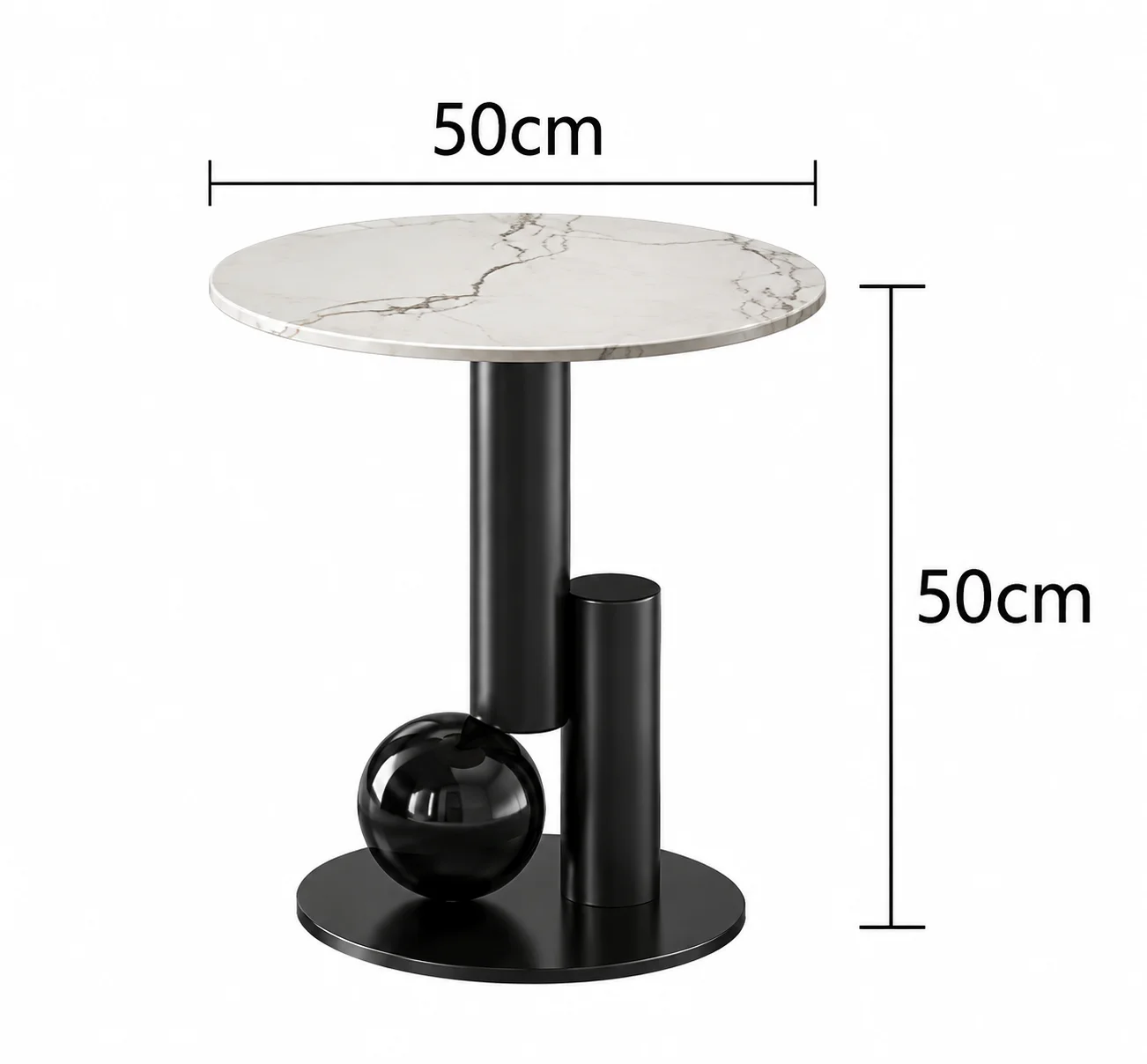
Before buying, measure the height of your sofa arm and compare it with the side table dimensions. Also consider what you plan to place on the table, such as a lamp, decorative object, or everyday essentials. Choosing suitable proportions helps the side table feel naturally connected to the seating arrangement.
Choose the Right Shape and Placement
The shape of a side table can influence both its appearance and how easily it fits into your seating arrangement. Round side tables can soften interiors with straight furniture lines, while square and rectangular designs can create a more structured look. The best shape depends on the available space and the style of your sofa or accent chair.
Placement is equally important. Position the side table close enough to the seating area so it is easy to reach without restricting movement. It can be placed beside a sofa, between two chairs, or near an accent chair. Keep enough surrounding space for comfortable movement and a balanced furniture layout.
Select the Right Material and Finish
The material of a side table can influence its appearance, maintenance, and how well it coordinates with other furniture. Glass can create a clean and visually light look, while marble-style surfaces can add a more luxurious feel. Stainless steel and metal bases can provide a structured appearance and work well with different tabletop materials.
The finish should complement your sofa, centre table, lighting, and surrounding décor. Gold-tone and PVD finishes can create a more decorative statement, while polished or simpler metallic finishes can suit contemporary interiors. Choose a combination that supports the overall style of your living room without making the furniture arrangement feel overly matched.
Modern Side Table Design Ideas for Living Rooms
Exploring different modern side table design ideas can help you find a style that complements your living room. Round tables with metallic bases can create a softer look, while geometric or sculptural designs can add a stronger visual statement. Glass and marble-style tabletops can also be combined with decorative metal frames for a contemporary luxury appearance.
For a coordinated interior, consider how the side table works with your sofa, centre table, accent chairs, and lighting. You do not need to match every furniture piece exactly. Instead, repeating selected materials, finishes, or design details can help create a balanced and visually connected living room.
Side Table vs Centre Table: What Is the Difference?
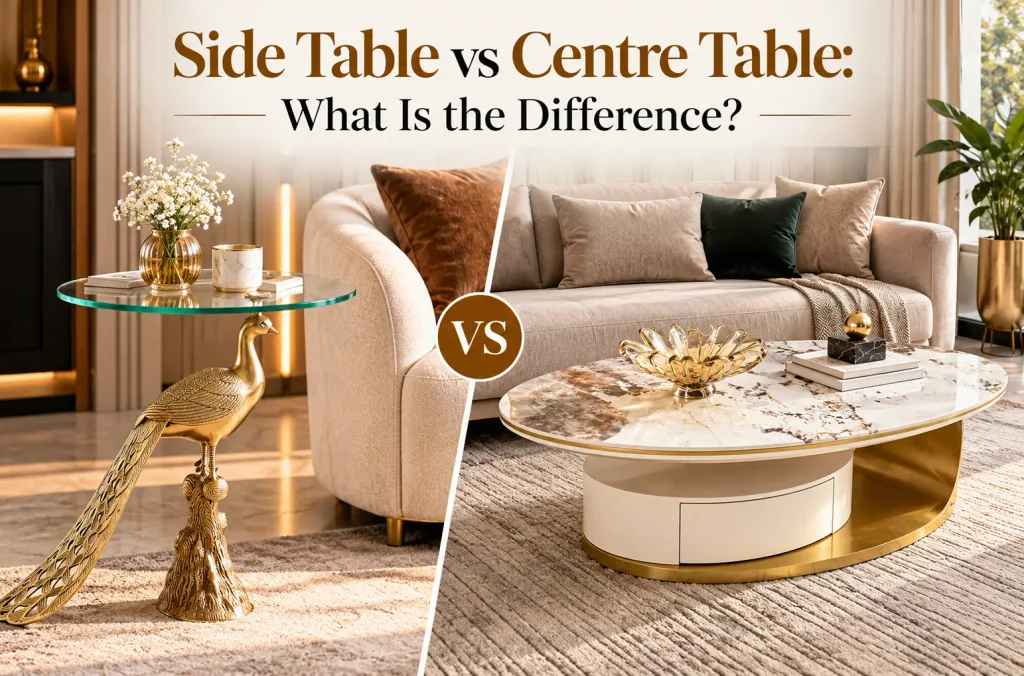
A side table and centre table serve different purposes in a living room. A centre table is generally positioned in front of the main sofa and provides a larger shared surface. A side table is more compact and is usually placed beside a sofa or chair, making everyday items easier to reach while seated.
Both pieces can work together in the same furniture arrangement. You can coordinate them through similar materials, finishes, shapes, or design details without choosing identical designs. When selecting both tables, consider their proportions and placement so the living room remains comfortable, functional, and visually balanced.
Benefits of a Modern Side Table in Your Living Room
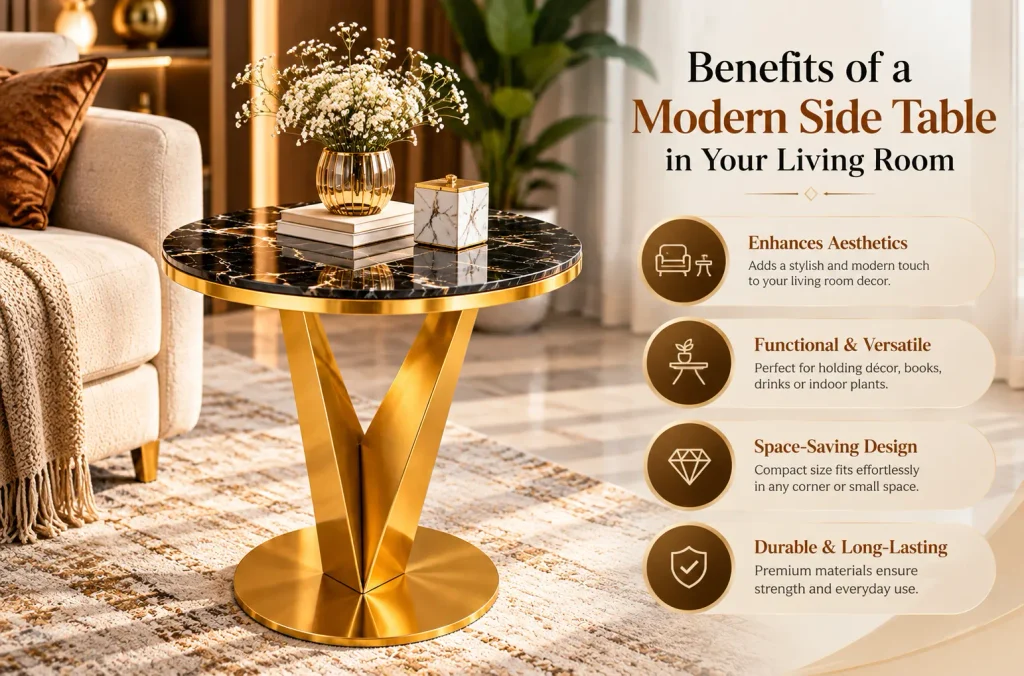
A modern side table can improve both the functionality and appearance of a living room. Its compact design provides a convenient surface near the seating area while also adding another decorative element to the furniture arrangement.
Provides Convenient Surface Space
A side table keeps everyday items within easy reach while you are seated. It can hold a lamp, book, beverage, decorative accessory, or other small essentials without requiring additional large furniture.
Complements Your Sofa and Centre Table
The right side table can visually connect your sofa, centre table, and accent chairs. Coordinating selected materials, shapes, or finishes can create a balanced look without requiring every furniture piece to have exactly the same design.
Adds Style Without Taking Up Much Space
Because side tables are generally compact, they can add useful functionality and visual interest without occupying a large area. This makes them suitable for both spacious living rooms and smaller seating arrangements.
Why Choose Alliance International for Side Tables?
Alliance International offers a range of modern side tables designed for contemporary and luxury living spaces. The collection includes glass, marble-style, stainless steel, and decorative designs that can complement sofas, accent chairs, centre tables, and different interior styles.
Different materials, finishes, shapes, and design options make it easier to choose a side table according to your space and furniture arrangement. Whether you prefer a subtle contemporary table or a more decorative statement design, the right side table can add both functionality and visual appeal to your living room.
Frequently Asked Questions About Side Tables
What Is the Best Height for a Side Table?
A side table should generally sit close to the height of the sofa or chair arm so it remains comfortable to reach while seated. However, the ideal height depends on your furniture dimensions and how you plan to use the table. Measure the sofa arm height before selecting a side table for a more balanced arrangement.
Where Should a Side Table Be Placed in a Living Room?
A side table is commonly placed beside a sofa, lounge chair, or accent chair where it can be reached comfortably while seated. It can also be positioned between two chairs when the layout allows. Keep enough space around the table for easy movement and make sure its placement does not block important walking paths.
What Size Side Table Should I Choose?
The right side table size depends on your sofa or chair dimensions and the available space beside it. Choose a table that provides enough surface area for your needs without making the seating arrangement feel crowded. Compare the table’s width, depth, and height with the surrounding furniture before making your final choice.
Should a Side Table Match the Centre Table?
A side table does not need to match the centre table exactly. However, using similar materials, finishes, shapes, or design details can help create a coordinated living room. You can also combine different designs for a more layered look, as long as the furniture pieces remain balanced in proportion and complement the overall interior style.
Which Material Is Best for a Side Table?
The best material depends on your interior style, everyday use, and maintenance preferences. Glass can create a clean and visually light appearance, while marble-style surfaces can add a more luxurious look. Stainless steel and metal bases can provide a structured, contemporary appearance and pair well with different tabletop materials.
Find the Perfect Side Table for Your Living Room

Choosing the right-side table for living room spaces can improve both functionality and visual balance. Consider the table’s height, size, shape, material, finish, and placement before making your decision. Whether you prefer glass, marble-style, stainless steel, or decorative designs, the right-side table should complement your seating arrangement and remain convenient for everyday use.
Alliance International offers modern and luxury side tables for different living room styles and furniture arrangements. Explore our Side Table collection to discover premium designs, materials, finishes, and options for your interior.
Follow Alliance International on Instagram for our latest side table designs, luxury furniture ideas, and new arrivals.